
Your ATV winch is only as strong as the battery behind it. Whether you’re hauling logs, rescuing buddies, or just getting unstuck from another mud pit, the last thing you want is a dead battery at the worst time.
In this guide, we’ll walk you through the best battery for ATV with winch in 2025. Read on to learn what works, what doesn’t, and how to choose the right one.
Best Battery for ATV with Winch – Quick Answer
If you’re running a winch, the best battery is usually an AGM or lithium battery with higher amp-hour capacity—not just high cranking power.
A winch doesn’t need a quick burst like your starter—it needs steady power under load. That’s why many stock ATV batteries struggle, even if they start the engine just fine.
Simple rule:
- Occasional winch use → quality AGM battery
- Frequent or heavy pulling → high-capacity AGM or lithium upgrade
- Cold climates → stick with AGM unless using cold-rated lithium
The goal isn’t just power—it’s consistency under load without voltage drop.
Rider takeaway: A winch exposes weak batteries. Choose one built for sustained output, not just starting power.
Why Most ATV Batteries Struggle with a Winch
A stock ATV battery is built for one main job: start the engine, then recharge quickly.
A winch changes the game completely.
When you hit the winch switch, it pulls a high amount of current continuously—not just for a second or two. That creates a different kind of stress:
- winch pulls → high amp draw
- battery voltage drops
- winch slows down
- battery heats up and drains faster
Do that a few times in a row, and a small starting battery gets overwhelmed.
That’s why you’ll see:
- slow or weak winch pulls
- dimming lights
- battery dying faster than expected
It’s not always a bad battery—it’s often the wrong type of battery for the job.
Rider takeaway: Winching is closer to deep-cycle use. If your battery isn’t built for sustained load, performance will drop fast.
To see how all these parts connect during real pulls, it helps to understand how a complete winch and recovery setup functions on an ATV.
Which Battery Type Works Best for ATV Winching?
Not all batteries handle winching the same way. The difference shows up when you’re pulling under load—not when starting the engine.
AGM Batteries (Best all-around choice)
AGM (Absorbed Glass Mat) batteries are the most reliable option for most riders.
They handle:
- repeated winch pulls
- vibration from rough terrain
- partial discharge is better than standard batteries
They also hold voltage more steadily under load, which keeps your winch pulling consistently.
Best for:
- trail riders
- occasional to moderate winch use
- cold weather riding
Trade-off: heavier than lithium, but more forgiving.
If you’re leaning toward AGM, here are some of the top AGM battery options for ATVs worth considering.
Lithium Batteries (Lightweight + high performance)
Lithium batteries are lighter and recharge faster, and they can deliver strong output when conditions are right.
But they’re more sensitive:
- performance drops in cold weather
- higher upfront cost
- less forgiving if over-discharged
Best for:
- weight-focused builds
- frequent riders who maintain their setup
- warmer climates
Not ideal for: cold-weather winching unless specifically designed for it.
Flooded Lead-Acid (Budget option)
These are the traditional batteries most ATVs come with.
They can work—but under winch load, they tend to:
- lose voltage faster
- wear out more quickly with repeated discharge
Best for:
- light, occasional use only
Quick Comparison
- AGM → safest, most reliable choice
- Lithium → high performance, but situational
- Flooded → works, but not ideal for winching
Whatever the type you go for, compare them with the overall best ATV batteries across different use cases.
Rider takeaway: If you’re unsure, go AGM. It handles real-world abuse better than anything else in this category.
What Actually Matters in a Winch Battery?
Not all battery specs carry equal weight—especially when you start using a winch. Some numbers look impressive on paper but don’t translate into real pulling performance.
Here’s what actually makes a difference when the ATV is under load.
1. Amp-Hour Capacity (Ah) — your real power reserve
If there’s one spec that matters most for winching, it’s this.
Amp-hour capacity determines how long your battery can deliver steady power before it starts to drop off. That directly affects how your winch performs during longer or repeated pulls.
A higher Ah rating means:
- longer, more consistent pulls
- less voltage drop mid-use
- reduced stress on the battery over time
This is what separates a battery that “works” from one that keeps working when you need it most.
2. Battery Type — how it behaves under load
Specs don’t tell the full story—battery chemistry does.
AGM and lithium batteries can show similar numbers on paper, but they behave very differently when you actually engage the winch.
- AGM tends to be more stable and forgiving, especially in rough conditions
- Lithium delivers strong output, but performance depends more on temperature and setup
This is why two batteries with similar ratings can feel completely different in real use.
3. Cold Cranking Amps (CCA) — important, but not the priority
CCA gets a lot of attention because it’s easy to compare—but for winching, it’s not the deciding factor.
It helps your engine start, especially in cold weather. But once the engine is running and you’re pulling with a winch, sustained output matters more than burst power.
A high CCA battery can still struggle if it lacks capacity.
4. Fitment and terminal layout — the practical constraint
Even the best battery won’t help if it doesn’t physically work with your ATV.
Before anything else, make sure:
- it fits your battery tray properly
- terminals line up without awkward wiring
Upgrading often means working within tight space limits, so this is where good choices can get ruled out quickly. So, ensure you get the correct battery size and fit for your ATV.
5. Durability — where real-world use shows up
Winching rarely happens in perfect conditions.
You’re dealing with:
- vibration from uneven terrain
- mud and moisture
- cold starts and temperature swings
A battery that looks good on paper but can’t handle that environment won’t last long.
Rider takeaway: Don’t get pulled in by spec sheets alone. For winching, a battery that holds steady under load will always outperform one that just looks powerful on paper.
Common Mistakes When Choosing a Winch Battery
A lot of battery choices go wrong, not because of bad products, but because of the wrong assumptions. These are the ones that cause the most problems out on the trail.
1. Higher CCA means better winching
This is one of the most common assumptions—and one of the most misleading.
CCA is designed for short bursts, like starting your engine. But winching is a sustained load. You can have a high CCA battery that starts your ATV easily, but still struggles when you’re pulling under tension.
2. Lithium is always better
Lithium batteries can be powerful, but they’re not automatically the best choice for every rider.
In colder conditions, performance can drop. They also tend to be less forgiving if your setup isn’t ideal. In many real-world situations, a solid AGM battery is the more reliable option.
3. The stock battery is good enough
For light, occasional use, it might be.
But once you start winching more frequently—mud riding, recovery, or plowing—a stock battery usually shows its limits quickly. It’s simply not designed for repeated sustained load.
Therefore, sticking with trusted ATV battery brands can also help avoid these common issues.
4. If it fits, it works
Fitment is just the starting point.
Two batteries can fit perfectly in the same tray but perform very differently depending on their capacity and how they handle discharge under load. Performance matters more than just compatibility.
Rider takeaway: Most winch problems aren’t caused by a lack of power—they come from using a battery built for starting, not sustained pulling.
Our Top 10 ATV Winch Battery Picks (Quick Reference)
Don’t have time to deep dive into every detail? No problem, this table has you covered. This quick-reference chart compares the 10 best ATV batteries for winch use—side by side—so you can spot what fits your needs fast.
| Battery | Type | CCA | Capacity (Ah) | Weight | Best For | Not Ideal For |
| Odyssey PC545 | AGM | 150 | 13 | ~11.5 lbs | Heavy-duty winching in extreme weather | Budget-conscious buyers |
| Yuasa YTX14-BS | AGM | 200 | 12 | ~10 lbs | Reliable all-around use | Deep-cycle demands |
| Antigravity ATX12-HD | Lithium | 480 | ~12 (efficiency) | ~3 lbs | Lightweight, tech-packed performance | Extreme cold (without warming) |
| Mighty Max YTX14AH | AGM | 230 | 12 | ~10.1 lbs | Affordable winch support | Frequent winching |
| Deka ETX14 | AGM | 200 | 12 | ~11 lbs | Rugged, trail-heavy riding | High-capacity demands |
| Weize YTX14AH-BS | AGM | 240 | 12 | ~9.9 lbs | Best bang for the buck | Cold-weather reliability |
| Renegade RG30L-WS | AGM / Deep | 400 | 30 | ~23 lbs | Standalone winch use or dual setups | Smaller ATV compartments |
| NOCO NLP14 | Lithium | 500 | 4 (LiFePO4) | ~2.2 lbs | Fast charging and long-term storage | Cold climates |
| Chrome Battery YTX12-BS | AGM | 180 | 10 | ~8.5 lbs | Light-duty winch setups | High-draw applications |
| Power Sonic PTX14BS-FS | AGM | 220 | 12 | ~10 lbs | All-weather reliability at fair price | Extreme winch pulling |
Best ATV Batteries for Winch Use – [2026 Update]
Here’s the part you came for—real picks for real riders.
1. Odyssey PC545 Powersports Battery – Best for Heavy-duty Winching in Extreme Weather
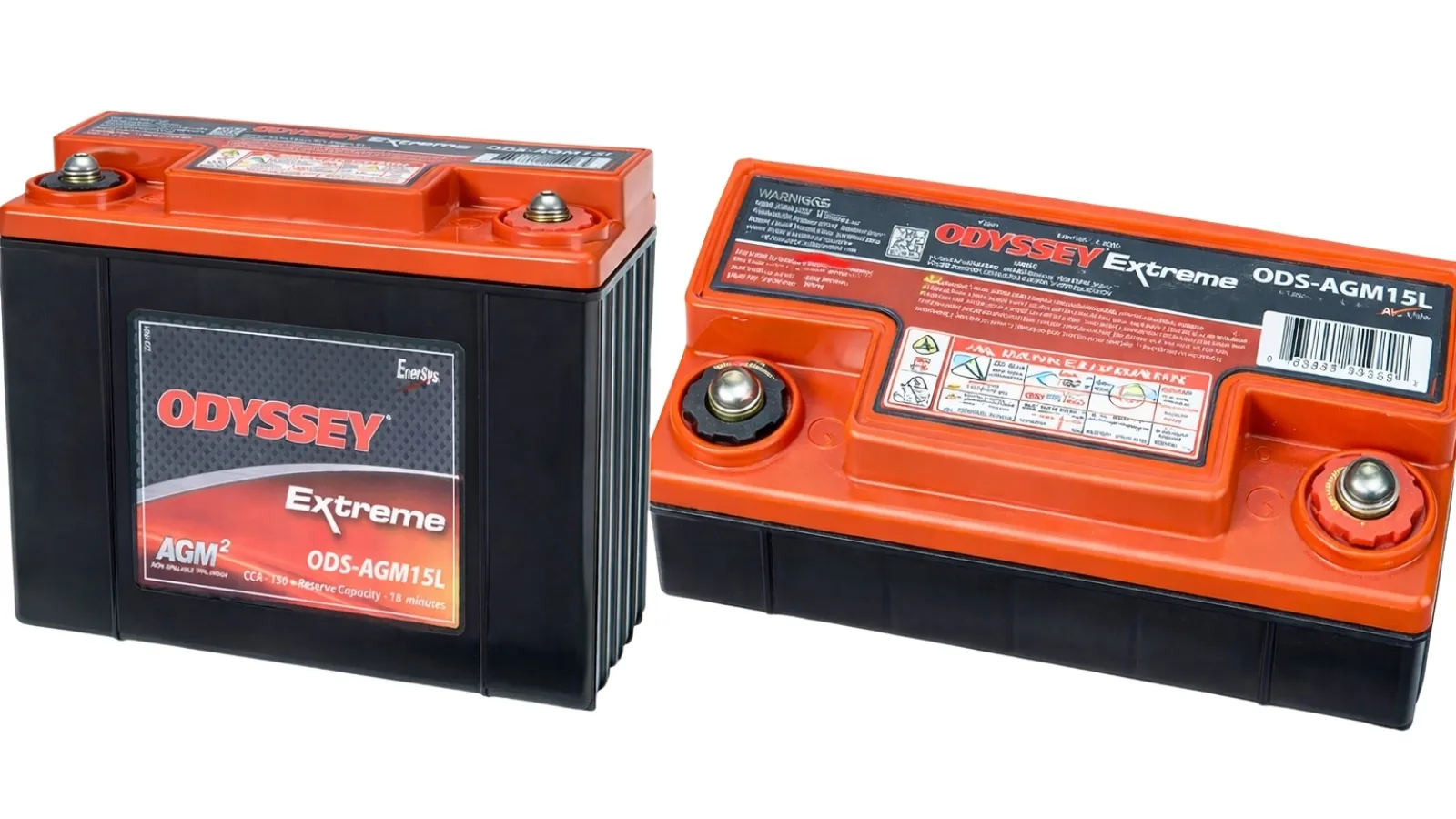
Key Specifications:
- Type: AGM
- Voltage: 12V
- Cold Cranking Amps (CCA): 150
- Capacity: 13Ah
- Vibration-resistant, spill-proof
- Long cycle life (up to 400 cycles at 80% depth)
- Rugged brass terminals for durability
Why it’s impressive:
Built for power and punishment, the Odyssey PC545 delivers deep-cycle endurance and strong bursts of starting power—ideal for winching under tough conditions. It’s compact yet incredibly dense, with stable performance in freezing cold or hot climates. This one’s trusted by serious off-roaders for a reason.
Downside: It’s more expensive than standard ATV batteries.
Bottomline: Heavy-duty winching and cold weather
2. Yuasa YTX14-BS – Best for Reliable all-around use
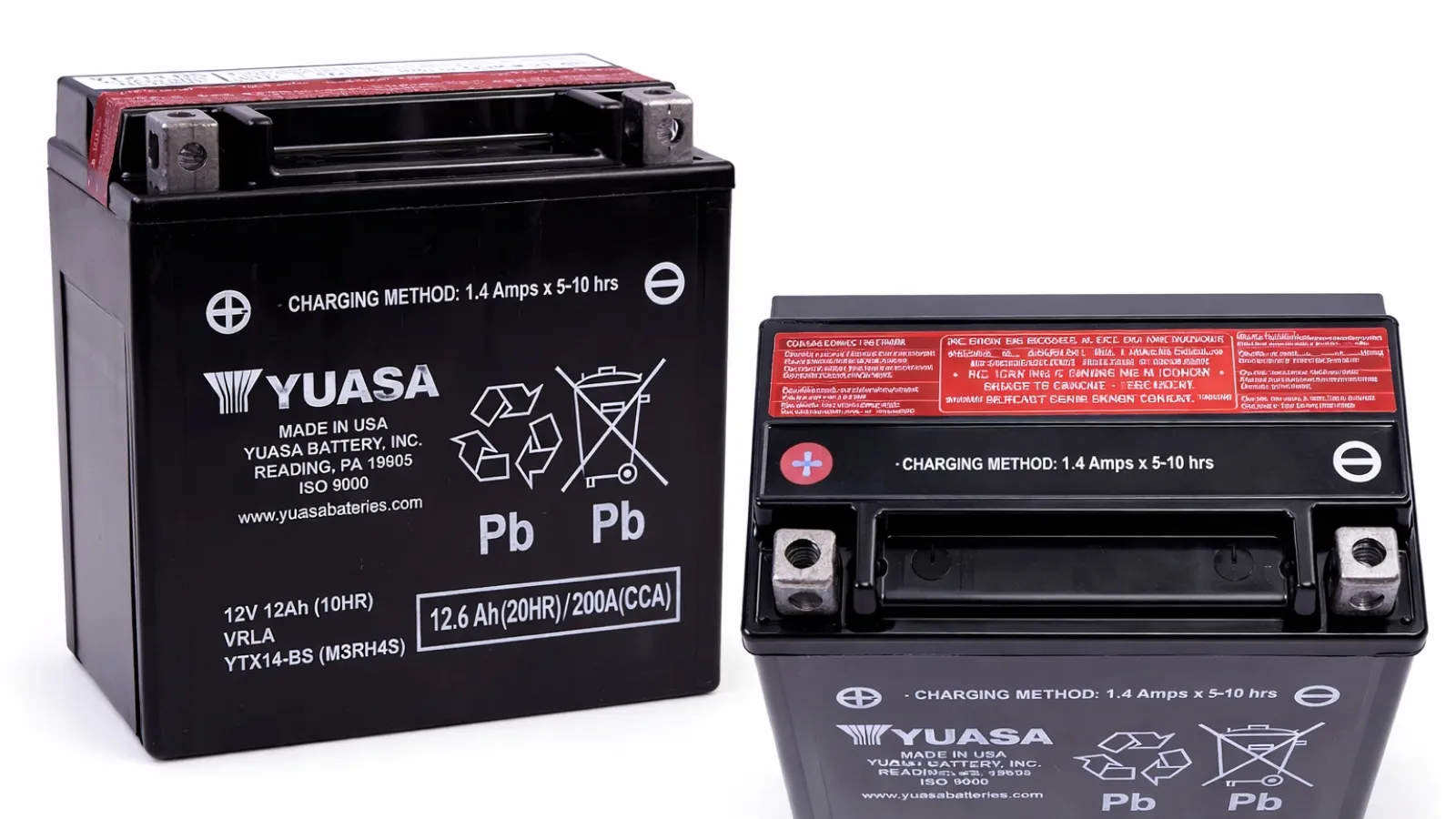
Key Specifications:
- Type: AGM
- Voltage: 12V
- Cold Cranking Amps (CCA): 200
- Capacity: 12Ah
- Spill-proof, factory-activated
- Durable lead-calcium design
- Maintenance-free
Why it’s impressive:
This battery is a fan favorite for a reason—it cranks strong, handles light winch use with ease, and doesn’t ask for much in return. The YTX14-BS offers consistent voltage and solid longevity for riders who want reliability without breaking the bank.
Downside: Not designed for deep-cycle or repeated heavy winch pulls.
Bottomline: Reliable performance on a budget
3. Antigravity ATX12-HD RE-START – Best for Lightweight, Tech-packed Performance
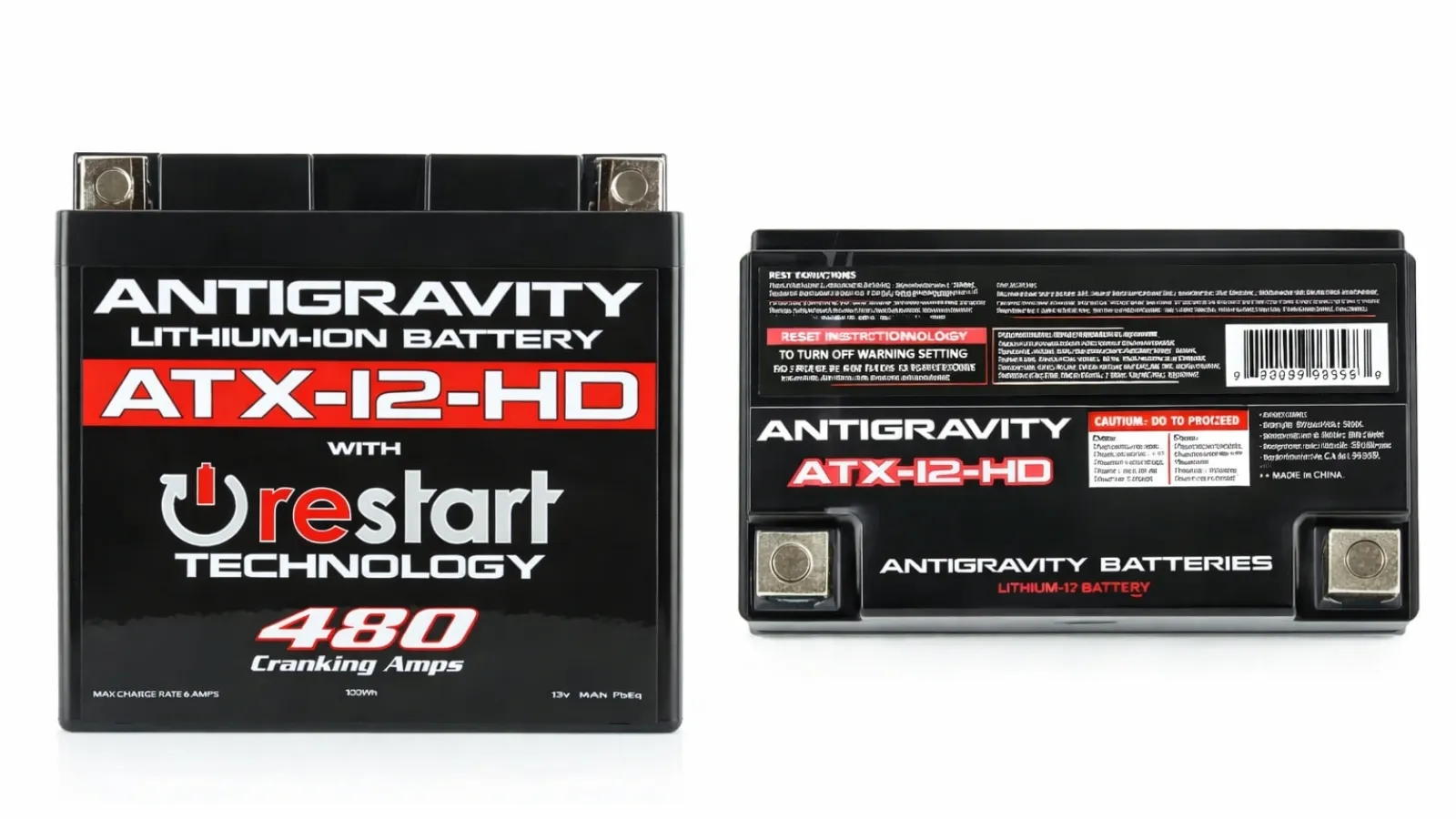
Key Specifications:
- Type: Lithium-Ion (LiFePO4)
- Voltage: 12V
- Cold Cranking Amps (CCA): 480
- Built-in jump-start/restart technology
- Ultra-lightweight design
- 5x faster charging than lead-acid
- Vibration/impact resistant
Why it’s impressive:
This tech-packed lithium battery brings insane power-to-weight ratio and smart features like built-in jump-start protection. It’s perfect for riders who want high performance without adding bulk. Ideal for modern ATV setups with extra accessories and winches.
Downside: Performance drops in freezing temps unless pre-warmed.
Bottom-line: Best for tech-savvy riders who want high power with low weight.
4. Mighty Max YTX14AH – Best for Affordable Winch Support
Key Specifications:
- Type: AGM
- Voltage: 12V
- Cold Cranking Amps (CCA): 230
- Capacity: 12Ah
- Maintenance-free, valve-regulated
- Can be mounted in any position
- Shock and vibration resistant
Why it’s impressive:
This budget-friendly battery still delivers where it counts. With 230 CCA, it provides enough muscle for moderate winching, and it holds up well on rocky trails or muddy rides. It’s a solid upgrade from stock, especially if you’re not riding in freezing temps.
Downside: Not ideal for intense winching or winter riding.
Bottom-line: Best for budget-conscious riders needing winch support.
5. Deka ETX14 Powersport Battery – Best for Rugged, Trail-heavy riding
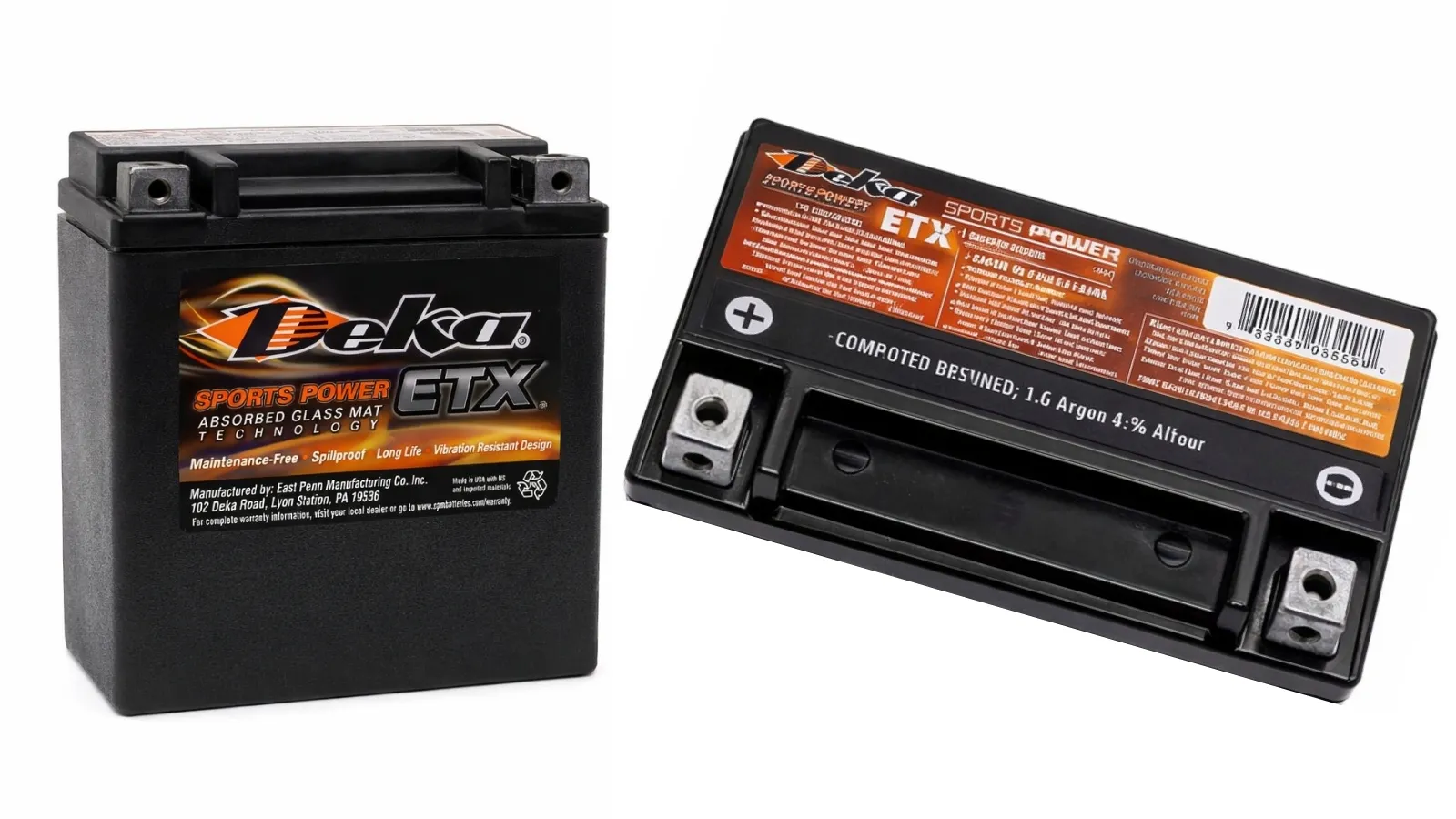
Key Specifications:
- Type: AGM
- Voltage: 12V
- Cold Cranking Amps (CCA): 200
- Spill-proof and maintenance-free
- Designed for high vibration environments
- Made in the USA
Why it’s impressive:
Deka is known for tough, American-built batteries, and the ETX14 is no exception. It thrives on rough trails, resists shock like a champ, and provides a steady stream of power during winch operation. It’s reliable, consistent, and built to last.
Downside: Lower capacity than some premium AGMs.
Bottom-line: Best for rugged trail use and dependable winch action.
6. Weize YTX14AH-BS – Best Bang for the Buck
Key Specifications:
- Type: AGM
- Voltage: 12V
- Cold Cranking Amps (CCA): 240
- Capacity: 12Ah
- Sealed, leak-proof, shock-resistant
- Maintenance-free design
- ISO9001 certified manufacturing
Why it’s impressive:
Weize delivers serious value here. It’s a surprisingly strong performer with enough CCA to support light-to-moderate winch usage. If you’re upgrading from a weak OEM battery, this one will feel like a power boost—without draining your wallet.
Downside: Not made for extreme cold or high-demand winching.
Bottom-line: Best value-for-money AGM battery for occasional winching.
7. Renegade RG30L-WS – Best for Standalone Winch use or Dual Setups
Key Specifications:
- Type: AGM (Deep Cycle)
- Voltage: 12V
- Cold Cranking Amps (CCA): 400
- Reserve Capacity: Extended
- Heavy-duty casing
- Maintenance-free
Why it’s impressive:
Built for serious winch users, the RG30L-WS brings deep-cycle stamina and high cranking amps together. It’s perfect for dual battery setups or anyone needing a standalone power source for their winch. If you’re doing frequent pulls or running other power-hungry gear, this is a beast.
Downside: Too bulky for compact ATV compartments.
Bottom-line: Best for dedicated winch use or dual-battery builds.
8. NOCO NLP14 Lithium Battery – Best for Fast Charging and Long-term Storage
Key Specifications:
- Type: Lithium (LiFePO4)
- Voltage: 12.8V
- Cold Cranking Amps (CCA): 500
- Capacity: 4Ah (high-efficiency design)
- Up to 2,000 charge cycles
- Weighs under 3 pounds
Why it’s impressive:
NOCO’s NLP14 is a powerhouse in a featherweight body. It delivers exceptional starting power and fast recharge rates, plus it can sit unused for months without draining. It’s also factory sealed and insanely compact—ideal for performance-focused ATV builds.
Downside: Higher upfront cost and not cold-weather friendly without prep.
Bottom-line: Best for fast charging and long storage between rides.
9. Chrome Battery YTX12-BS – Best for Light-duty Winch Setups
Key Specifications:
- Type: AGM
- Voltage: 12V
- Cold Cranking Amps (CCA): 180
- Capacity: 10Ah
- Factory activated
- Shockproof case
- Lightweight and affordable
Why it’s impressive:
If you’re only using your winch occasionally and want something reliable, this Chrome Battery gets the job done. It’s not the strongest on the list, but for casual riders or utility use, it’s a trustworthy budget solution that installs easily and holds up on basic terrain.
Downside: Limited power for bigger winches or extreme use.
Bottom-line: Best for light-duty winch setups and casual trail riding.
10. Power Sonic PTX14BS-FS – Best for All-weather Reliability at Fair Price
Key Specifications:
- Type: AGM
- Voltage: 12V
- Cold Cranking Amps (CCA): 220
- Maintenance-free and spill-proof
- High-impact resistant case
- Reliable start in cold and wet conditions
Why it’s impressive:
Power Sonic quietly builds some of the most dependable AGMs out there. This model balances affordability, strength, and durability—making it a great pick for ATVs that need both start-up reliability and decent winch support without the bulk of higher-end models.
Downside: Not as powerful as top-tier AGM or lithium models.
Bottom-line: Best for reliable all-weather performance at mid-range price.
These 10 batteries will power your winch to unstuck irrespective of your ATV build and brands.But If you’re looking for something model-specific, check out these battery recommendations for specific ATV models.
Do You Need a Stand-Alone Battery for Your ATV Winch?
A stand-alone battery isn’t just for hardcore off-roaders—it can be a game-changer for anyone using high-capacity winches or piling on accessories like LED bars, sound systems, or snowplows.
Why Go Stand-Alone?
A winch demands serious amps—especially under load. If your main battery also has to start the engine, run lights, and power other electronics, it’s constantly stretched thin. This is where a second, dedicated battery just for the winch comes in clutch.
Benefits of a stand-alone winch battery:
- Your winch pulls stronger and more consistently
- Your main battery doesn’t get drained or damaged
- Less chance of an electrical failure when it matters most
- More room to run other power-hungry add-ons
When to Use a Stand-Alone Setup
Not everyone needs a dual-battery system. But if you check one or more of these boxes, it might be time:
- You’re running a winch larger than 4500 lbs
- You use your winch frequently for recovery, plowing, or trail work
- You have multiple power accessories drawing from the main battery
- Your current battery struggles or dies prematurely during winch use
What Kind of Battery Works Best?
For stand-alone use, deep cycle or dual-purpose batteries are ideal. They’re built to discharge slowly and deeply, which is perfect for winching.
Recommended picks:
- Renogy 12V 50Ah LiFePO4 – Lightweight, long-lasting, and built for deep cycles
- Battle Born 12V 50Ah LiFePO4 – Rugged and reliable, with internal management systems to handle abuse
Pro tip: Use a battery isolator or manual switch to keep your winch battery from draining your starter battery when your engine’s off.
Before upgrading, it’s worth checking how to test your ATV battery properly to confirm it’s actually the limiting factor.
How to Install or Upgrade Your ATV Battery for Winch Use
Upgrading your battery for winch power is one of the easiest ways to improve your ATV’s performance—and it’s totally doable even if you’re not super handy. Here’s a step-by-step breakdown that’ll walk you through the process without the guesswork.
1. Disconnect the Old Battery (Always Start with the Negative Terminal)
First things first—safety. Disconnect the negative (–) terminal before the positive to avoid any sparks or accidental shorts. Once both cables are free, remove the battery from its tray carefully. If there’s corrosion or gunk, clean that area up now.
2. Clean the Terminals and Battery Tray
Use a wire brush or battery terminal cleaner to scrub the connectors until they shine. This helps prevent poor connections and voltage drops that can kill winch performance. You can even apply a little anti-corrosion gel if you want extra protection.
3. Install the New Battery Securely
Drop in your new battery (winch-rated, of course) and make sure it’s properly seated and strapped down. ATV rides are full of vibrations and bumps—loose batteries can slide around or even short out. Tighten everything up before reconnecting any wires.
4. Use Heavy-Duty, Quality Connectors and Cables
If you’re installing a higher-capacity battery or upgrading to a winch, make sure your cables are up to the task. Use 4- or 6-gauge wiring for most winch setups and avoid thin wires that can heat up or melt under high current. Crimp or solder connectors firmly for a solid fit.
5. Fuse the Power Line Between Battery and Winch
This is your insurance policy. Install an inline fuse or circuit breaker close to the battery on the positive cable. That way, if something shorts or overheats, the fuse will blow instead of your winch—or worse, your ATV.
If you’re unsure what rating to use, here’s a quick guide to choosing the right fuse size for your ATV winch.
6. Test the System Before Hitting the Trails
Before you call it done, do a quick winch test. Try a light pull to make sure the power delivery is smooth and responsive. If the winch doesnt work and sounds sluggish or the solenoid clicks but doesn’t spool, double-check your connections and voltage.
Read: How Long Does an ATV Battery Last?
Maintenance Tips to Keep Your Battery Winch-Ready
Your ATV winch battery is like a gym buddy—you can’t just call it up when you’re in trouble and ignore it the rest of the time. Regular battery care is what keeps it reliable in the field.Here’s how to keep your battery in peak shape.
- Charge it regularly, even during the off-season
Batteries hate being ignored. Leaving them discharged for long periods shortens their lifespan drastically. If your ATV sits for weeks or months, plug it into a smart charger or trickle charger to keep the juice flowing and the cells healthy. - Avoid full discharges—recharge before it drops too low
Dropping below 12.0 volts too often can permanently damage most batteries, especially lead-acid and AGM types. Get into the habit of checking your voltage after a ride or heavy winching session, and recharge around 12.4V to stay in the safe zone. - Store indoors in winter or extreme heat
Cold kills weak batteries, and extreme heat will slowly cook them to death. If your riding season ends when the snow hits, pull the battery and store it in a dry, temperature-controlled space. Same goes for long summer breaks—shade it or bring it in. - Use a smart charger or trickle charger (like Battery Tender)
These little lifesavers keep your battery topped off without overcharging it. Unlike basic chargers, smart models monitor the battery and adjust charging as needed, which means longer life and zero babysitting. - Inspect cables and terminals regularly
Corrosion, loose wires, or cracked insulation can reduce performance or cause sudden failure. A quick inspection every few rides (especially after muddy ones) will help you catch issues before they become ride-ruiners.
FAQs about Battery on ATV with Winch
Is a lithium battery good for an ATV winch?
Yes, a lithium battery can be good for an ATV winch because it delivers strong power and recharges quickly. However, it performs poorly in cold weather and is less forgiving than AGM. For most riders, AGM is the safer, all-around choice, while lithium is better suited to frequent use in moderate climates.
Do I need a second battery for the ATV winch?
No, most ATV winch setups do not require a second battery. A single high-quality AGM or high-capacity battery is usually enough for occasional to moderate winching. A second battery is only needed for frequent heavy use or when running multiple accessories.
What size battery is best for winching?
The best battery size for winching is the one with the highest amp-hour (Ah) capacity that fits your ATV. Higher Ah provides longer, more stable power during pulls. For most riders, a larger AGM battery works best, while heavy users may need maximum capacity or a lithium upgrade.
Is a lithium battery good for an ATV winch?
Yes, a lithium battery can be good for an ATV winch because it delivers strong power and recharges quickly. However, it performs poorly in cold weather and is less forgiving than AGM. For most riders, AGM is the safer, all-around choice, while lithium is better suited to frequent use in moderate climates.
Do I need a second battery for the ATV winch?
No, most ATV winch setups do not require a second battery. A single high-quality AGM or high-capacity battery is usually enough for occasional to moderate winching. A second battery is only needed for frequent heavy use or when running multiple accessories.
What size battery is best for winching?
The best battery size for winching is the one with the highest amp-hour (Ah) capacity that fits your ATV. Higher Ah provides longer, more stable power during pulls. For most riders, a larger AGM battery works best, while heavy users may need maximum capacity or a lithium upgrade.
Final Verdict: Which ATV Winch Battery Should You Actually Buy?
If you want a safe, proven choice that works in almost any situation, go with the Odyssey ODS-AGM15L. It offers the best balance of power, durability, and reliability under winch load, making it the easiest pick for most riders.
For heavier use—mud riding, frequent recovery, or plowing—the Deka ETX14 AGM is a strong alternative. It handles repeated pulls well and is built for tougher conditions where consistency matters more than anything else.
If you’re on a tighter budget but still want dependable performance, the Weize YTX14-BS gets the job done for light to moderate winching without overspending.
And if weight and performance are your priority, the Antigravity ATX-12-HD lithium battery stands out. It’s compact, powerful, and fast to recharge—but works best when your setup and riding conditions support it.
If you’re still unsure, start with the Odyssey—it covers the widest range of real-world use cases with the least compromise.
Continue exploring related topics:
How to Fix Dead ATV Battery in 8 Steps
Charging ATV Battery with a Charger
Amps Needed for an ATV battery

ATVNotes is an off-road resource focused on ATV and UTV winching, recovery systems, safety gear, tires, batteries, and essential off-road equipment. Content is produced by the ATVNotes Expert Team and written from the perspective of a practical off-road recovery advisor, emphasizing real-world performance, system compatibility, and safety-first practices across trail riding, utility use, and off-road exploration.