
An ATV winch typically requires a 150–250 amp fuse, depending on motor size and peak load conditions. The fuse should match the winch’s maximum amp draw to prevent overheating, wiring damage, or electrical failure during heavy pulls.
During high-load recovery situations, a winch can draw significant current from the ATV battery — especially near stall capacity. That surge is precisely why proper fuse sizing matters. A fuse that’s too small may blow under normal load, while one that’s too large may fail to protect wiring and other electrical components from short circuits.
Because the fuse functions alongside the battery, solenoid, and wiring as part of the winch’s overall electrical recovery system, selecting the correct rating is essential for both safety and performance. Determining the right size depends on several factors, including amperage demand, wire gauge, cable length, motor efficiency, and total circuit capacity.
This guide explains how to evaluate those variables and choose the proper fuse for your ATV winch.
Jump To Contents
Understanding Electrical Systems: Amps, Volts, and Watts
Understanding electrical systems is the prerequisite to understanding the importance of winch fuse. Any equipment in the system including the electrical relay used in ATV winches needs protection sudden current surge. Otherwise, you risk overloading circuits or damaging equipment by using incorrect fuses or wiring components. Electrical protection becomes especially important when integrating a winch into the vehicle’s existing wiring and mounting setup.
Three important terms crucial to understanding the said electrical system’s functioning include volts, amps, and watts.
Volts refer to the unit of measure for electrical potential difference or voltage in an electrical circuit. Amps, on the other hand, are the unit of measure for electric current flowing through a circuit. Lastly, watts refer to the total power used in a circuit.
Now let’s apply this knowledge to our context: what size fuse do you need for your ATV winch?
| Winch Size | Typical Peak Amps | Recommended Fuse |
|---|---|---|
| 2,500 lb | 150–200A | 200A |
| 3,500 lb | 200–250A | 250A |
| 4,500 lb | 250–300A | 300A |
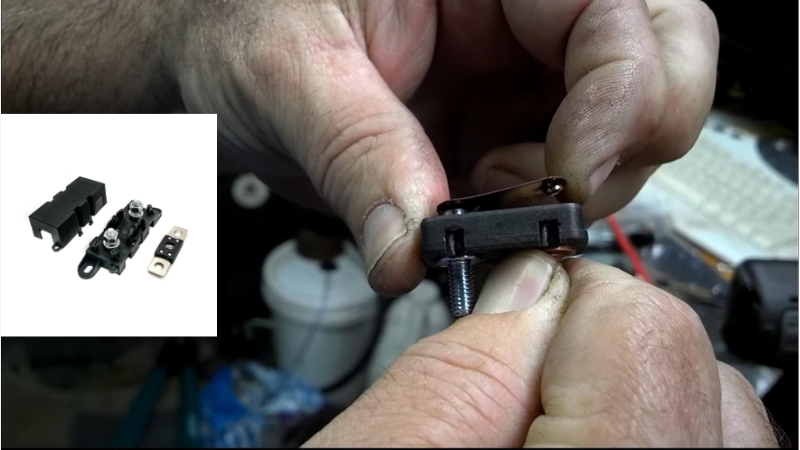
How to Determine the Right ATV Winch Fuse
Selecting the correct fuse size starts with understanding how much current your winch actually draws under load. Most ATV winches operate within a 150–250 amp range during heavy pulls, but the exact requirement depends on motor size and peak current demand.
To determine the proper fuse size:
- Identify the winch’s maximum amp draw.
Check the manufacturer’s specifications, or refer to measured amp-draw estimates under full load. - Add a 10–20% safety margin.
This prevents nuisance fuse blowing during short peak surges while still protecting wiring and battery components. - Choose a fuse that matches or slightly exceeds that adjusted value.
The fuse should protect the circuit by preventing excessive current from passing during fault conditions.
For example, if your winch draws 200 amps at peak load, selecting a 225–250 amp fuse is generally appropriate. Always confirm with manufacturer recommendations when available. Proper fuse selection should always be considered during installation to ensure the winch wiring and connections are protected from overload.
Since fuse sizing depends directly on current demand, it’s helpful to understand how many amps an ATV winch draws under different load conditions before finalizing your choice.
Does Winch Load Influence its Fuse Size?
In general, the fuse size of a winch is determined by the maximum amperage that the winch motor can draw under normal operating conditions. The manufacturer typically specifies fuse size and it can vary depending on the winch’s specific model, design, and manufacture.
Yes, there is a correlation between the amperage draw and the fuse size of a winch. They are directly proportional. So, when the winch is under full load, it necessarily means that it will require a larger fuse size. Other factors, such as motor efficiency and design, also come into play when determining the appropriate fuse size for a winch.
An ATV winch of 2500 lbs capacity can stay protected against overheating or short circuits with a 20A fuse while not loaded, but it will require the protection of a 150A fuse size when fully loaded.
That said, it is not a direct influence. So, while determining the correct fuse size for your specific winch model, base it on its amperage draw rather than solely relying on its load capacity.
Check Fuses Regularly and Replacing Faulty fuses
It is important to regularly check and replace fuses in your ATV winch for safety reasons. If a fuse blows, it means that something went wrong with the circuit, so it’s essential to investigate and fix the problem before replacing the fuse.
Ignoring blown fuses can lead to more severe problems down the line. If your winch repeatedly stops working or blows fuses unexpectedly, electrical overload or protection issues may be the cause.
When replacing a fuse, you need to consider the amperage rating of the winch. Choosing an incorrect size fuse can either blow too quickly or not provide enough protection for your electrical system.
Always consult your owner’s manual or consult with an expert when selecting fuses for any equipment, including ATV winches. This will help ensure optimal performance from your winch while always staying safe.
Fuse vs. Circuit Breaker: Which one for ATV Winch?
Both options protect against electrical overloads and can prevent damage to your ATV’s electrical system. A fuse is a simple device that contains a metal wire that melts when excessive current flows through it, breaking the circuit and stopping the flow of electricity.
On the other hand, a circuit breaker is an automatic switch that trips when it detects an overload or short circuit, interrupting the current flow.
One advantage of using fuses is their affordability and availability. Fuses are relatively inexpensive and can be easily found at most automotive stores. Additionally, they are straightforward to install and replace if needed.
However, one drawback of using fuses is that they need to be physically replaced each time they blow out due to an overload or short circuit.
In contrast, circuit breakers offer convenience in resetting after tripping without requiring physical replacement like fuses do. This makes them more user-friendly as you don’t have to buy new ones constantly.
Furthermore, modern ATV winches often come with built-in thermal protection mechanisms designed specifically for use with circuit breakers. Nonetheless, compared to fuses, circuit breakers tend to be more expensive initially and may require professional installation in some cases due to their complex nature.
FAQs
What gauge wire for an ATV winch?
The recommended gauge wire for an ATV winch depends on the winch’s capacity and the distance from the battery. A general rule of thumb is to use a 6-gauge wire if the winch capacity is less than 2,000 pounds and within 4 feet of the battery.
For a winch with a capacity between 2,000 and 3,500 pounds or located over 4 feet from the battery, an upgraded 4-gauge wire is recommended.
Using thicker wires can help reduce long-run voltage drops and prevent damage to your ATV’s electrical system and winch motor. Additional relays or circuit breakers may also be necessary, depending on your specific setup.
It is always best to consult your ATV manufacturer’s guidelines or seek advice from an experienced technician when wiring an ATV winch properly.
What is a standard ATV winch circuit breaker size?
An ATV winch’s standard circuit breaker size varies based on the model and manufacturer.
The most common circuit breaker size used in ATV winches is 50 amps. However, depending on their power consumption and voltage rating, some models may require a larger or smaller circuit breaker.
It’s important to check the specifications of your specific ATV winch before purchasing a replacement circuit breaker.
In addition to considering the standard size of a circuit breaker, it’s vital to ensure that you use a high-quality product from a reputable brand. A faulty or low-quality circuit breaker can compromise your safety while operating the ATV winch, leading to potential accidents or equipment damage.
What size is for Warn winch fuse?
The size of the fuse required for a Warn winch depends on the model and capacity of the winch. It is important to consult the owner’s manual or contact Warn directly to determine the appropriate fuse size for your winch.
Choosing the wrong size fuse can result in excessive heat, which can cause melting or even a fire. It is also essential to ensure that only high-quality fuses are used with your Warn winch.
Using low-quality fuses can result in the frequent blowing of the fuse, ultimately leading to unnecessary repair costs and downtime for your winch.
What size winch requires a 500 amp fuse?
The size of a winch typically refers to its pulling capacity, which can range from 2,000 lbs up to 5,500 lbs or more. However, the size of a winch also affects its electrical draw and fuse requirements.
For an ATV winch that requires a 500 amp fuse, the winch likely has a high pulling capacity requiring a higher amperage draw of 400 amps. Thus, (400*1.25) = 500 amp fuse is necessary to protect the electrical system of that larger ATV/UTV from overloading or short-circuiting due to excessive current draw.
Presumably, those ATV/UTV winches must have the highest load capacity, like – 8000-12000 lbs, needing larger-capacity winches which naturally draw more current and affects both battery demand and circuit protection requirements.
Wrap Up
To determine what size fuse for your ATV winch, you must consider several factors mentioned at the outset. Taking winch amp drawing to be the key consideration, it is clear to you by now that most ATV winches require a minimum 50-amp fuse up to 150 amps depending on their power rating.
However, it’s always best to check with your manufacturer or consult an expert when installing or replacing your ATV winch system fuses.
Whatever way you follow, the main focus should be integrating a properly sized fuse into an ATV winch. And always use high-quality fuses from reputable brands and replace them immediately if they blow out unexpectedly during operation.
Remember, proper maintenance of your ATV winch’s electrical system will extend its lifespan and prevent costly repairs down the road and stand by you in the most difficult ATV trails.
Continue exploring related topics:
- Role of winch duty cycle in electrical protection
- How snatch blocks reduce electrical strain during heavy pulls
- How proper accessories improve overall winch system stability

ATVNotes is an off-road resource focused on ATV and UTV winching, recovery systems, safety gear, tires, batteries, and essential off-road equipment. Content is produced by the ATVNotes Expert Team and written from the perspective of a practical off-road recovery advisor, emphasizing real-world performance, system compatibility, and safety-first practices across trail riding, utility use, and off-road exploration.